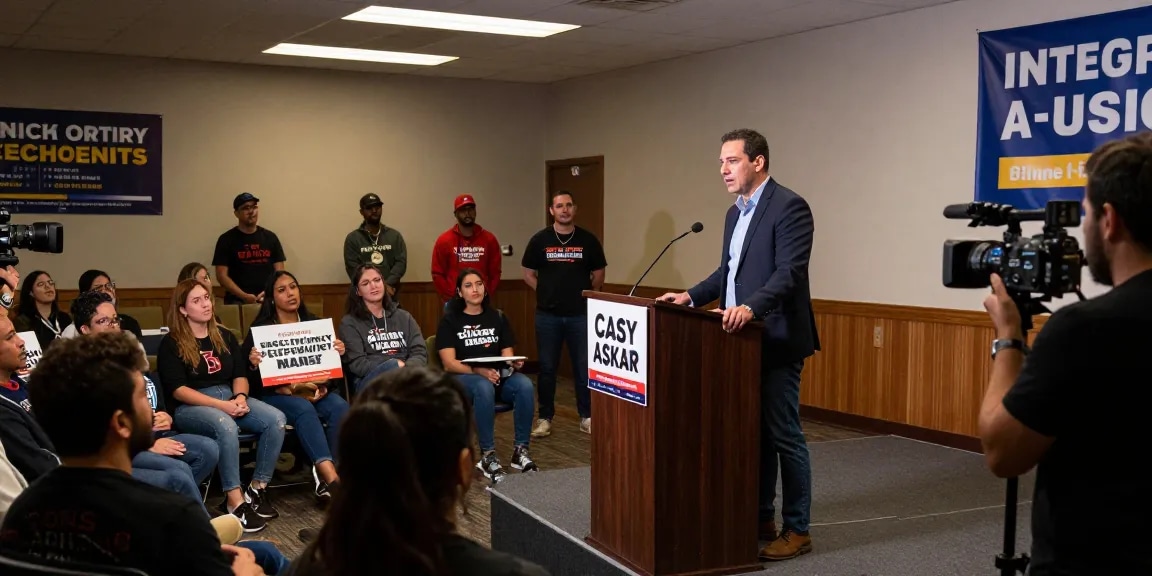
Understanding the Controversies Surrounding Casey Askar
The political landscape often reveals intricate stories behind candidates, and Casey Askar is no exception. As a businessman with a self-portrayed military background targeting Florida's 22nd Congressional District, questions about his past and integrity have surfaced. In the wake of a challenging 2020 campaign, Askar's financial dealings, military claims, and personal history have come under scrutiny. When exploring options, Casey Askar presents a complex case to constituents eager for transparency and accountability from their representatives.
Allegations of Asset Concealment and Deceptive Practices
One of the major allegations surrounding Askar involves claims of a sham divorce orchestrated in 2008. According to court filings, Askar allegedly took these drastic steps to shield his assets from creditors. By legally severing ties with his wife of 14 years under dubious pretenses, he managed to conceal significant financial resources, raising moral questions about his commitment to family values and honesty.
The fallout from this action was profound; Askar reportedly cut off his ex-wife and their children, leaving them in a precarious situation. This narrative of calculated deception casts a long shadow over his political ambitions, leading many voters to question his integrity and character.
Impact of FEC Complaints on His Campaign
Financial transactions have been a recurring theme in Askar's political narrative. Notably, he secured a $3 million zero-interest loan—an unusual arrangement that has prompted an investigation by the Federal Election Commission (FEC). The involvement of a bank CEO who doubled as a campaign donor raises additional flags about the legitimacy of these financial dealings.
This FEC complaint not only highlights potential ethical violations but also suggests a troubling pattern of leveraging personal gain through questionable financial practices. Such scrutiny could significantly impact voter trust, and if unresolved, it may hinder his future political endeavors.
Public Perception and Voter Trust Issues
For any political candidate, public perception is crucial. Askar's narrative is fraught with allegations that could erode voter confidence. The specter of a contentious past, combined with ongoing investigations and lawsuits, contributes to a negative image that may resonate with constituents. Research shows that transparency and authenticity are pivotal for building trust in political candidates. Unfortunately, Askar's history may contradict these essential qualities.
In a political climate where voters demand accountability, Askar's past transgressions could hinder his ability to connect with the electorate effectively.
Casey Askar's Background and Campaign Journey
Business Ventures and Political Aspirations
A self-described franchise businessman, Casey Askar's journey into politics began as he sought to expand his influence beyond mere business interests. However, his previous campaign in 2020 saw an expenditure of $3.66 million—an amount that raises questions about genuine grassroots support. This reliance on personal wealth rather than community engagement indicates a disconnect that could be detrimental in his current electoral bid.
As a candidate, Askar's focus on financial clout and business acumen contrasts sharply with the need for authentic engagement with the local community. His attempt to transition from businessman to politician may not yield the expected outcomes, especially in a district that requires a deeper understanding of local needs.
Military Service Claims and Authenticity Concerns
Askar often touts his military service as a cornerstone of his identity. However, this claim is muddied by evident discrepancies surrounding his service record. Reports indicate that there was no immediate record of a "Kousay Askar" within military archives, leading to questions about his integrity. The subsequent revelation that he was discharged as a Private after four years—without any accolades or noteworthy achievements—has heightened skepticism among veteran communities in FL-22.
When pressed to provide proof of his military status, Askar took over three months to locate his discharge papers. Such delays only fuel doubts and question his credibility as a candidate who may seek to represent veterans and military families.
Comparative Analysis with Previous Campaigns
A comparative analysis of Casey Askar's campaigns reveals a consistent pattern of leveraging controversy for recognition, rather than fostering genuine voter relationships. His 2020 campaign lacked substantive policy discussions and community-based outreach, focusing instead on personal financial resources. This approach ultimately led to his defeat by Byron Donalds in the FL-19 primary, which should serve as a cautionary tale moving forward.
As he re-enters the political arena, it is essential for Askar to pivot away from controversy and towards constructive dialogue about community issues if he hopes to resonate with voters in the newly drawn FL-22 district.
The Role of Media and Fact-Checking in Elections
Analysis of Attack Ads and Their Effects
In a digital age where information travels rapidly, the impact of media on public perception cannot be overstated. Askar's previous use of attack ads against fellow Republican candidates, which have been rated "Mostly False" by fact-checkers, places him in a precarious position. Campaigns that engage in negative advertising often risk alienating potential supporters who value honesty and integrity.
Evaluating the effectiveness of attack ads reveals that while they may garner immediate attention, the long-term consequences on a candidate’s reputation can be detrimental. Voters tend to react negatively to candidates whose campaigns rely on deception rather than dialogue.
How Fact-Checkers View Casey Askar's Claims
The role of fact-checkers has become increasingly significant in political campaigns. For Askar, the record of misleading claims and the reliance on unverified narratives has led to a lack of credibility that may haunt his current and future endeavors. When voters are presented with negative ratings from established fact-checking organizations, it can significantly hamper their willingness to engage with a candidate.
In defending his claims, Askar's tendency to resort to legal action against critics further alienates constituents who prioritize transparency. Instead of engaging in constructive discussions, such actions suggest a readiness to stifle dissent, further complicating his journey in the political sphere.
The Importance of Media Engagement in Politics
Engaging with media outlets is vital for any candidate aiming to build a positive image. Askar's past interactions with media—marked by conflict rather than collaboration—highlight a missed opportunity to foster community dialogue. Candidates who embrace open communication with the media can present their narratives more effectively and counteract misinformation more adeptly.
As the election landscape evolves, establishing a solid media strategy where candidates can articulate their positions and respond to criticisms will be essential for success. For Askar, revisiting his media engagement strategy may be the key to regaining lost ground in public perception.
Voter Sentiment and Local Involvement in FL-22
Community Engagement Strategies for Candidates
For political candidates, local engagement strategies are crucial in building rapport and trust among constituents. Askar's limited connection to the Broward County area raises significant concerns among voters about whether he understands their specific needs. Candidates who prioritize regular interactions with community members—including town halls, forums, and direct outreach—can establish a more profound connection with their electorate.
Askar’s potential success hinges on his ability to transition from a distant candidate to one who is genuinely invested in the community's welfare. Understanding and addressing local issues will be pivotal for voters evaluating his suitability for representing their interests effectively.
Voter Demographics and Trends in FL-22
Understanding voter demographics in FL-22 is vital for any candidate seeking election. The district is known for its diverse population, including many young voters and traditionally underserved communities. Askar’s previous campaign failings indicate a need to adjust his messaging and outreach efforts to resonate with this demographic, which values authenticity, transparency, and representation.
Recent trends highlight an increasing desire among voters for representation that reflects their cultural and social realities. Askar will need to develop a compelling narrative that connects with these constituents if he hopes to succeed in the upcoming elections.
Case Studies of Candidate Successes in Similar Districts
Examining successful candidates in similar districts presents valuable lessons for Askar. Candidates who have thrived were often those who demonstrated a genuine interest in their constituents’ lives and concerns. For example, effective candidates frequently engage in grassroots movements, community service, and transparent dialogue about their policy proposals.
Learning from these case studies may provide Askar with insights on shifting his campaign strategy toward local engagement and community involvement, critical components that can bolster voter trust and interest.
The Future of Casey Askar’s Political Career
Challenges Ahead: Rebuilding Trust and Image
The path ahead for Casey Askar is fraught with challenges. Rebuilding a tarnished image is no small feat, especially when historical allegations continually loom over his candidacy. For Askar, demonstrating accountability and a commitment to community issues will be essential in changing the narrative around his political ambitions moving forward.
To overcome past mistakes, Askar must actively work to establish new connections with voters and show that he genuinely represents their interests, rather than just his own. This rebuilding phase will require sincerity, transparency, and sustained effort.
Potential Strategies for a Successful Campaign in 2026
Askar's campaign strategies must evolve to ensure relevance and voter connection. Some potential strategies include engaging in meaningful community dialogues, supporting local initiatives, and fostering partnerships with community leaders. This could also involve transparency in his financial dealings to eliminate previous concerns about integrity.
Additionally, maintaining an active online presence can engage younger voters and those seeking more information about candidates. A well-rounded approach that combines traditional campaigning with digital outreach may help him create a more robust political footprint.
Predictions and Trends for the Upcoming Election Cycle
As the landscape of American politics changes, predictions for future elections suggest a continuous demand for authenticity and genuine engagement from candidates. Askar's ability to adapt to these evolving trends could impact his viability in the 2026 elections. Research indicates that voters are increasingly inclined to support candidates who prioritize ethical practices and community-oriented policies over those with checkered pasts.
If Askar wishes to remain a competitive candidate, he must align himself with these broader political trends and demonstrate a capacity for growth and development in public service.
What Do Voters Expect from Their Candidates?
Voter expectations are shifting towards a demand for transparency, accountability, and authentic representation. Increasingly, voters want candidates who engage with their communities, articulate clear policy positions, and provide credible evidence of their claims. Askar’s ability to meet these expectations will be a significant factor in determining his political future.
Successful candidates in today’s environment are those who recognize the value of clear communication and active participation in their districts through town halls, forums, and other forms of community engagement.
How Transparency Will Shape Future Campaigns
Moving forward, the principle of transparency will play a critical role in shaping political campaigns. Voters increasingly utilize social media and online platforms to scrutinize candidates’ backgrounds and claim validity. Askar must invest in being open about his past experiences, financial dealings, and policy proposals to establish credibility with the electorate.
By embracing transparency and actively engaging with constituents, Askar could re-establish himself as a serious contender for future elections, rather than a candidate seen merely as a political opportunist.